
Cultivation Management of Greenhouse Horticulture, Fruit Trees, Flowers, and Tea
施設園芸・果樹・花き・茶の栽培管理
Agriculture (SSW 2) · 農業(2号) · Written by Tokutei Pass based on the official study texts; not copied verbatim.
施設園芸の環境制御と養液栽培
Greenhouse Environmental Control and Hydroponic Culture
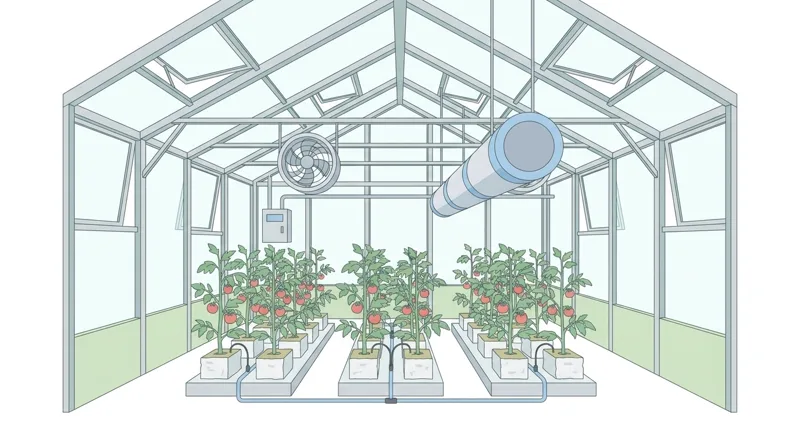
ハウス栽培の被覆資材には農業用塩化ビニル(農ビ:保温性が高いが重くて破れやすい)や農業用ポリオレフィン系フィルム(農PO:軽くて破れにくくベタつかない)などがあります。
Greenhouse covering films include agricultural PVC film (Nobi: high heat retention but heavy and tear-prone) and polyolefin film (No-PO: lightweight, tear-resistant, and non-sticky).
冬の晴れた日中にハウスを閉め切ると植物の光合成によってハウス内のCO2濃度が外気(約400ppm)より低くなるため、換気やCO2施用装置で補います。
On sunny winter days in a closed greenhouse, crop photosynthesis depletes indoor CO2 below ambient levels (~400 ppm), so ventilation or a CO2 generator is used to replenish it.
土を使わず培養液で育てる「養液栽培」にはロックウールなどの固形培地耕や水耕があり、培養液の濃度は電気伝導度(EC)計で管理します。灌水と施肥を同時に行う方式を「養液土耕栽培」といいます。
Soilless culture (hydroponics) grows crops with nutrient solution in solid media such as rockwool or in water, monitoring total nutrient concentration via an EC meter. Simultaneously supplying water and liquid fertilizer through drip tubes in soil is called fertigation (youeki-dokou).
Key points
- 農POフィルムは農ビに比べて軽くて強度が高く、作業性と耐久性に優れている。
Agricultural polyolefin (No-PO) film is lighter, stronger, and more durable than PVC (Nobi) film. - 冬期の密閉したハウス内では日中に光合成でCO2が不足するため、早朝のCO2施用が収量向上に有効である。
Closed winter greenhouses become CO2-depleted during daytime photosynthesis, making morning CO2 enrichment highly effective. - 養液栽培では培養液の肥料濃度をEC計、酸性度をpH計で毎日測定して管理する。
In hydroponics, monitor nutrient concentration daily with an EC meter and acidity with a pH meter.
| Word | Meaning |
|---|---|
| 被覆資材 | greenhouse covering materials |
| 二酸化炭素施用 | CO2 enrichment |
| 養液栽培 | hydroponics / soilless culture |
| 養液土耕栽培 | fertigation (soil drip fertigation) |
果菜類・イチゴの整枝・着果管理・予冷
Training, Fruit-Set Management, and Precooling in Fruiting Vegetables & Strawberries
トマトの「1本仕立て」では主枝1本だけを伸ばし、葉の付け根から出るわき芽(側枝)が小さいうちに晴れた午前中に摘み取ります(芽かき)。下葉かきや摘心で栄養分の分配と風通しを整えます。
In single-stem tomato training, only the main stem is kept while lateral shoots (suckers) are snapped off while small on sunny mornings so wounds dry quickly. Removing old lower leaves and pinching the growing tip improve airflow and nutrient allocation.
施設内のトマトやイチゴでは、マルハナバチやミツバチなどの訪花昆虫を導入するか、ホルモン剤(トマトトーン等)を花房に処理して着果を安定させます。イチゴは親株から伸びるランナー(走出枝)で子株を増やします。
Greenhouse tomatoes and strawberries use pollinating insects (bumblebees for tomatoes, honeybees for strawberries) or plant growth regulators to ensure uniform fruit set. Strawberries are propagated vegetatively using runners (stolons) from mother plants.
収穫した野菜や果実は呼吸熱で鮮度が落ちるため、出荷前に品温を素早く下げる「予冷」を行います。レタスなどの葉菜類には減圧して水分を蒸発させ内部まで急速冷却する「真空予冷」が適しています。
Harvested produce loses freshness from respiration heat, so precooling is performed before shipping. Vacuum precooling—evaporating moisture under reduced pressure—rapidly cools leafy vegetables like lettuce to their core.
Key points
- トマトの芽かき(わき芽取り)は、傷口が乾きやすい晴天の午前中にわき芽が小さいうちに行う。
Remove tomato lateral shoots (suckers) while small on sunny mornings so wounds dry rapidly. - ハウス内の受粉にはマルハナバチ(トマト)やミツバチ(イチゴ)を利用し、イチゴはランナー(走出枝)で栄養繁殖する。
Use bumblebees (tomatoes) or honeybees (strawberries) for greenhouse pollination, and propagate strawberries via runners. - 収穫後の呼吸を抑えて鮮度を保つため予冷を行い、レタスには急速に冷える真空予冷が多用される。
Precool harvested produce to suppress respiration; vacuum precooling is ideal for leafy vegetables like lettuce.
| Word | Meaning |
|---|---|
| 芽かき・摘心 | side-shoot removal (suckering) and pinching |
| 訪花昆虫 | pollinating insects (bumblebees, honeybees) |
| 走出枝 | runner (stolon) |
| 真空予冷 | vacuum precooling |
果樹の特性・剪定・摘蕾・摘果・袋かけ
Fruit Tree Characteristics, Pruning, Fruit Thinning, and Bagging
果樹には冬に葉が落ちて一定時間の低温(休眠打破)を必要とする「落葉果樹(リンゴ・ナシ・モモ・ブドウ・カキ)」と、冬も葉がある「常緑果樹(ウンシュウミカン・ビワ)」があります。
Fruit trees are classified into deciduous fruit trees that shed leaves in winter and require winter chilling to break dormancy (apple, pear, peach, grape, persimmon) and evergreen fruit trees (Satsuma mandarin, loquat).
1本の品種の花粉では実がならない「自家不和合性」の果樹(リンゴ・ニホンナシ・オウトウなど)では、別品種の「受粉樹」を混植するか人工授粉を行います。隔年結果を防ぎ大玉にするため、早めに「摘蕾・摘花・摘果」を行います。
Self-incompatible fruit trees (apple, Japanese pear, sweet cherry) cannot set fruit with their own cultivar's pollen and require cross-compatible pollinizer trees or artificial pollination. Early bud, flower, and fruit thinning prevents alternate bearing and produces large fruit.
リンゴでは花叢の真ん中で最も早く咲く「中心花(中心果)」を残して側花(側果)を摘み取ります。また、ブドウのジベレリン処理は無核化(種なし化)と果粒肥大に用いられ、果実の「袋かけ」は病害虫を防ぎ果皮を美しく保ちます。
In apples, keep the earliest-blooming central 'king flower/fruit' and remove lateral flowers/fruits. Gibberellin treatment in grapes induces seedlessness and berry enlargement, while fruit bagging protects against pests, diseases, and skin blemishes.
Key points
- リンゴ・ナシ・モモ・ブドウ・カキは落葉果樹、ウンシュウミカン・ビワは常緑果樹である。
Apple, pear, peach, grape, and persimmon are deciduous; Satsuma mandarin and loquat are evergreen. - 自家不和合性のリンゴやナシには受粉樹が必要であり、リンゴの摘花・摘果では発育の良い「中心果」を残す。
Self-incompatible apples and pears require pollinizer cultivars; apple fruit thinning retains the central 'king fruit'. - 摘蕾・摘果は果実肥大と隔年結果防止のために行い、ブドウのジベレリン処理は種なし化と果粒肥大をもたらす。
Thinning prevents alternate bearing and enlarges fruit; gibberellin treatment produces seedless, larger grapes.
| Word | Meaning |
|---|---|
| 落葉果樹・常緑果樹 | deciduous and evergreen fruit trees |
| 自家不和合性 | self-incompatibility |
| 隔年結果 | alternate bearing (biennial bearing) |
| 中心果・摘果 | king fruit (central fruit) and fruit thinning |
花き(電照菊など)の開花調節と茶の栽培管理
Flowering Control in Cut Flowers (Lighted Chrysanthemums) and Tea Cultivation
秋ギクは日長が短くなると花芽分化する短日植物です。秋〜冬に夜間照明(電照・暗期中断)を行って長日状態を作ると、花芽分化が抑えられて茎が十分長く伸び、消灯する時期によって出荷時期を遅らせる(抑制栽培)ことができます。
Autumn chrysanthemum is a short-day plant. Applying night-break lighting in autumn and winter creates long-day conditions that inhibit flower bud initiation, allowing stems to reach marketable length and delaying flowering on schedule (retarded culture).
大輪の1本ギク(輪ギク)を作るときは頂芽を残してわき芽を摘み取り、スプレーギクを作るときは頂芽(中心の蕾)を摘み取ります。切り花は水揚げを良くし、エチレンガスによる老化を防ぐため品質保持剤(STS剤等)で前処理します。
For standard single-bloom chrysanthemums, keep the terminal bud and disbud lateral shoots; for spray chrysanthemums, remove the central terminal bud. Cut flowers are pretreated with preservatives (such as STS) to improve water uptake and block ethylene senescence.
チャ(茶)は酸性土壌(pH 4.0〜5.0)を好みます。春の「一番茶」の新芽を遅霜(凍霜害)から守るため防霜ファンで上空の暖かい空気を送り、被覆茶(玉露・てん茶)では遮光被覆によって旨味成分(テアニン)を保ちます。
Tea thrives in strongly acidic soil (pH 4.0–5.0). Frost protection fans blow warmer air from the inversion layer down onto tea canopies to prevent spring frost damage on first-flush shoots, while shading nets for Gyokuro and Tencha preserve savory theanine.
Key points
- 電照菊(短日植物)は夜間の電照で花芽分化を抑制し、草丈を確保するとともに開花時期を計画的に遅らせる。
Night lighting on short-day chrysanthemums inhibits flower bud differentiation, ensuring stem length and scheduled delayed blooming. - 輪ギクはわき芽を取って頂花1輪を残し、切り花はエチレンの作用を抑える品質保持剤で鮮度を保つ。
Standard chrysanthemums retain only the terminal bud, and cut flowers use anti-ethylene preservatives to prolong vase life. - 茶園の防霜ファンは逆転層の暖かい空気を茶株面へ送って凍霜害を防ぎ、遮光被覆はテアニンからカテキンへの変化を抑える。
Frost fans mix warmer upper air down to protect young tea shoots from frost, and shading prevents theanine from converting into bitter catechin.
| Word | Meaning |
|---|---|
| 電照栽培 | night-lighting cultivation (photoperiodic lighting) |
| 品質保持剤 | cut-flower preservative (anti-ethylene agent) |
| 防霜ファン | frost protection fan (wind machine) |
| 被覆茶・テアニン | shaded tea and theanine (umami amino acid) |
Greenhouse, Fruit Trees and Flowers
Practice this chapter in the appOfficial references
- 一般社団法人全国農業会議所 農業特定技能2号評価試験 テキスト(耕種農業全般・施設・果樹・花き) — https://asat-nca.jp/