
Planning & Public Relations (Creating Plans, Terminology, Website & SNS Management)
企画・広報業務(プラン造成・専門用語・WebとSNS運用)
Accommodation (Hotel) · 宿泊分野 · Written by Tokutei Pass based on the official study texts; not copied verbatim.
企画業務の目的とターゲット客層に合わせたプラン設計
Purpose of Planning Work and Designing Plans for Target Customer Segments
企画業務(マーケティング)とは、宿泊施設が持つ客室や食事・温泉などのサービスを活かし、宿泊プラン・日帰りプラン・ランチビュッフェプランなどの新商品やイベントを企画立案する仕事です。
Planning work (marketing) involves utilizing the services offered by an accommodation facility—such as guest rooms, dining, and hot springs—to develop new products and events that delight guests, including stay plans, day-trip plans, and lunch buffet plans.
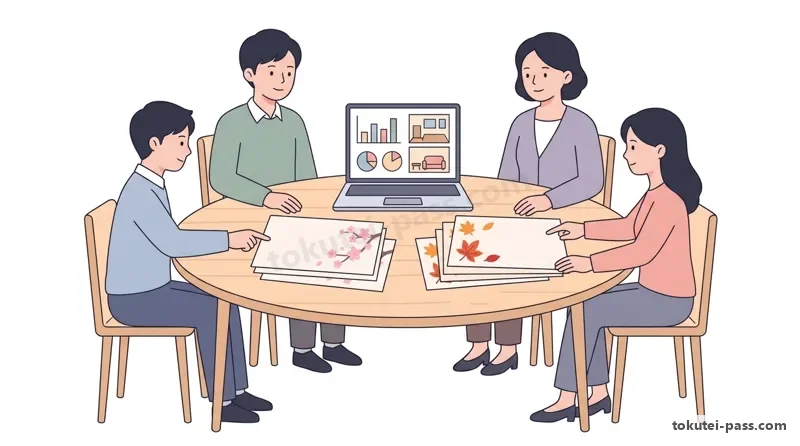
魅力的なプランを作るには、まず「どの客層(ターゲット)に来てほしいか」を正しく設定し、マーケティング調査によってその客層が求めているニーズを深く理解することが重要です。
To create attractive plans, it is essential to accurately set the target customer segment and thoroughly understand their needs through marketing research.
学習用テキストの代表例として、「宿泊+地域の日本文化体験(着物・茶道など)」は海外からの訪日旅行者である「インバウンド客層」に向けた企画として大変効果的です。
As highlighted in the official textbook, a plan combining 'Accommodation + Local Japanese Cultural Experience (kimono, tea ceremony, etc.)' is highly effective for targeting 'Inbound foreign tourists visiting from abroad'.
また、「宿泊+地域の食材を生かした健康的な野菜中心の食事」は「ベジタリアン・ビーガン客層」に、「広く豪華なスイートルーム宿泊」は「富裕層」に適しています。家族連れや出張客などにも合わせて設計します。
Likewise, 'Accommodation + Healthy meals utilizing local ingredients' suits 'Vegetarian and Vegan guest segments', while 'Staying in a luxurious Suite Room' targets 'Affluent guests (Fuyuso)'. Plans are also tailored for families, couples, and business travelers.
Key points
- 企画業務ではターゲット客層を明確に設定し、そのニーズに合った宿泊・日帰りプランを立案する。
In planning work, clearly define the target guest segment and design accommodation or day-trip plans matching their needs. - 「宿泊+日本文化体験」はインバウンド客層、「スイートルーム宿泊」は富裕層を主な対象とする。
'Accommodation + Japanese cultural experience' targets Inbound tourists, while 'Suite Room stays' target affluent guests. - 「地域の食材を生かした健康的食事」はベジタリアン・ビーガンや健康志向の客層に向いている。
'Accommodation + Healthy meals using local ingredients' is ideal for Vegetarian and Vegan guests.
| Word | Meaning |
|---|---|
| 企画業務(マーケティング) | planning work (marketing) |
| ターゲット客層 | target customer segment |
| インバウンド客層 | inbound foreign tourists |
| ベジタリアン・ビーガン | vegetarian and vegan guests |
| 富裕層 | affluent / wealthy segment (Fuyuso) |
地域資源・季節感の活用と市場調査・競合分析
Utilizing Local Resources & Seasonality, Market Research, and Competitor Analysis
日本には春夏秋冬の明確な四季があり、季節ごとの自然風景(桜・新緑・紅葉・雪景色)や旬の味覚、伝統のお祭り・地域イベントと連動した宿泊プランは強い集客力を持ちます。
Japan has four distinct seasons (spring, summer, autumn, winter), and accommodation plans tied to seasonal scenery (cherry blossoms, fresh greenery, autumn leaves, snow), seasonal foods (Shun), and local festivals have strong appeal.
その土地ならではの温泉、郷土料理、農水産物、歴史的建造物などの「地域資源」をプランに組み込むことで、他の地域にはない独自の魅力をお客様に提供できます。
Incorporating unique 'local resources (Chiiki shigen)'—such as hot springs (Onsen), regional cuisine (Kyodo ryori), local farm/marine products, and historical landmarks—creates distinctive value that other regions cannot imitate.
企画を成功させるには、世の中の旅行トレンドや消費者の好みを調べる「市場調査(マーケットリサーチ)」が欠かせません。過去の宿泊実績データやアンケート結果も詳しく分析します。
To succeed in planning, 'Market Research' is indispensable for analyzing travel trends, consumer preferences, past booking records, and guest survey responses.
同時に、近隣や同規模の「競合施設(ライバル施設)」がどのような価格帯でどんなプランを販売しているかを調査し、自社施設ならではの強み(差別化ポイント)を明確に打ち出します。
At the same time, facilities must research 'Competing Facilities (competitors)' of similar size or location to understand their pricing and plans, clearly highlighting their own unique strengths (differentiation points).
Key points
- 四季(春夏秋冬)の行事や、温泉・郷土料理などの「地域資源」を組み合わせてプランを造成する。
Combine seasonal events across the four seasons with 'local resources' (hot springs, regional cuisine) when creating plans. - 市場調査や過去の宿泊データ・顧客アンケートから、旅行者の最新ニーズを把握する。
Use market research, past booking data, and guest surveys to grasp the latest traveler needs. - 近隣の競合施設のプランや価格を調査し、自社施設の強みを活かした差別化を図る。
Survey competitors' plans and rates to differentiate and highlight your facility's unique strengths.
| Word | Meaning |
|---|---|
| 地域資源・郷土料理 | local resources and regional cuisine |
| 市場調査 | market research |
| 競合施設調査 | competitor facility research |
| 差別化 | differentiation |
宿泊形態と顧客区分の重要用語(1泊2食・B&B・連泊・FIT)
Key Terminology for Plans and Guest Types (1 Night 2 Meals, B&B, Consecutive Stays, FIT)
企画業務で使う基本用語として、「1泊2食」は宿泊料金に夕食と朝食が含まれるプランで、主に旅館で販売されます。「ベッド&ブレックファースト(B&B)」は朝食のみが含まれるプランで、主にホテルで販売されます。
Among essential planning terms, '1 Night 2 Meals (Ippaku nishoku)' is an accommodation plan that includes dinner and breakfast in the room rate, primarily offered at ryokan. 'Bed & Breakfast (B&B)' includes breakfast only and is mainly offered at hotels.
「オールインクルーシブ」は、宿泊料金の中に滞在中の飲料や軽食、アクティビティなどすべてのサービス費用が含まれているプランです。「連泊」は同じ施設に2泊以上連続して泊まることで、割引や特典がつく場合があります。
'All-inclusive' is a plan in which all service expenses—including beverages, light meals, and activities during the stay—are included in the room rate. 'Consecutive Stays (Renpaku)' refers to staying two or more consecutive nights at the same facility, often with discounts or perks.
「ウォークイン」は事前予約なしで直接施設を訪れて空室を利用すること、「預かり金(デポジット)」はサービス利用を保証するためにチェックイン時などに預かる保証金を指します。
'Walk-in' refers to visiting a lodging facility directly without a prior reservation to use a vacant room, while a 'Deposit (Azukarikin)' is an upfront sum paid to guarantee the use of services.
また、過去に利用しその後も繰り返し泊まりに来る顧客を「リピーター」と呼びます。「FIT(Free Independent Traveler)」は、旅行会社のパッケージツアーを使わず、自分で計画して自由に行動する個人旅行者のことです。
Guests who have stayed at the facility in the past and return repeatedly are called 'Repeaters (repeat customers)'. 'FIT (Free Independent Traveler)' refers to individual travelers who plan their own trip and travel independently without using package tours.
Key points
- 「1泊2食」は夕食・朝食付き(主に旅館)、「B&B」は朝食のみ付き(主にホテル)、「オールインクルーシブ」は全費用込みプランである。
'1 Night 2 Meals' includes dinner & breakfast (mainly ryokan); 'B&B' includes breakfast only (mainly hotels); 'All-inclusive' includes all services. - 「連泊」は同一施設での2泊以上の連続宿泊、「預かり金(デポジット)」は利用保証の事前預かり金である。
'Consecutive Stays (Renpaku)' means staying 2 or more nights in a row; 'Deposit (Azukarikin)' guarantees service use. - 「リピーター」は繰り返し利用する顧客、「FIT」はツアーを使わず自由に旅する個人旅行者を指す。
'Repeater' means a repeat guest; 'FIT' means a Free Independent Traveler who does not use package tours.
| Word | Meaning |
|---|---|
| 1泊2食・ベッド&ブレックファースト(B&B) | 1 Night 2 Meals and Bed & Breakfast (B&B) |
| オールインクルーシブ | All-inclusive plan |
| 連泊・リピーター | Consecutive Stays (Renpaku) and Repeater |
| 預かり金(デポジット) | Deposit (Azukarikin) |
| FIT(自由な個人旅行者) | FIT (Free Independent Traveler) |
販売チャネルの特徴(OTA・旅行会社・ダイレクトブッキング)
Characteristics of Sales Channels (OTAs, Travel Agencies, and Direct Booking)
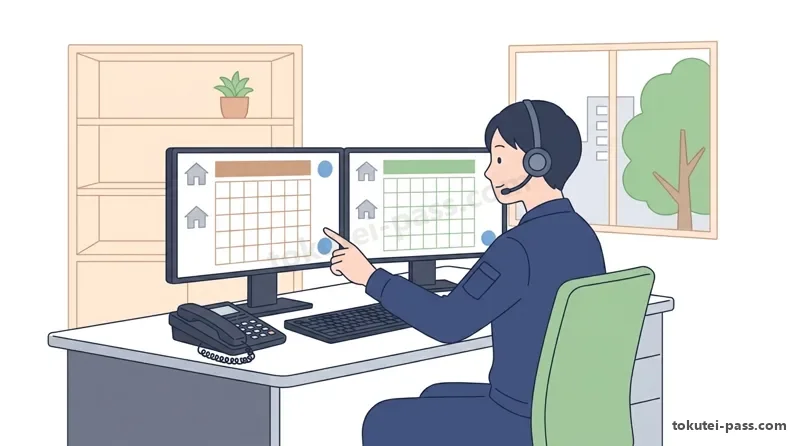
宿泊プランを顧客に届ける販売経路(チャネル)には、大きく分けて旅行代理店経由と自社直接販売があります。「OTA(Online Travel Agent)」は、インターネット上で旅行商品を提供するオンライン旅行代理店です。
Sales channels for delivering accommodation plans to guests are broadly divided into agency sales and direct sales. An 'OTA (Online Travel Agent)' is an online travel agency that provides travel products and services over the internet.
OTAは世界中の多くの旅行者が比較検索するため新規顧客を集めやすい反面、施設側は予約成立ごとに送客手数料(コミッション)を支払う必要があります。
While OTAs make it easy to attract new customers because travelers worldwide search and compare listings on them, the lodging facility must pay a referral commission fee to the OTA for each completed booking.
一方、店舗窓口で対面販売や団体旅行・パッケージツアーを扱う従来の旅行会社(リアルエージェント)は、修学旅行やシニア層の送客に強みを持っています。
Meanwhile, traditional brick-and-mortar travel agencies ('Real Agents') that sell package tours in person have strengths in group tours, school trips, and senior travelers.
これら旅行会社やOTAなどの代行会社を通さず、自社ウェブサイトや電話でお客様と直接予約・契約まで行うことを「ダイレクトブッキング(自社直販)」といいます。施設側にとって「手数料負担を減らせる」という大きなメリットがあります。
Negotiating, booking, and contracting directly with guests via the facility's own website or phone without using travel agencies or OTAs is called 'Direct Booking'. Its biggest advantage for the facility is 'reducing the burden of commission fees'.
Key points
- OTA(Online Travel Agent)はインターネットを介して旅行商品を販売するオンライン旅行代理店である。
An OTA (Online Travel Agent) is an online travel agency that sells travel products and services via the internet. - ダイレクトブッキングは旅行会社やOTAを利用せず顧客と直接予約・契約する方法である。
Direct Booking means accepting reservations and contracting directly with guests without using travel agencies or OTAs. - ダイレクトブッキングを増やすことで、施設側は代理店へ支払う手数料負担を減らすことができる。
Increasing Direct Bookings allows the accommodation facility to reduce commission fee expenses.
| Word | Meaning |
|---|---|
| OTA(オンライン旅行代理店) | OTA (Online Travel Agent) |
| ダイレクトブッキング(自社直販) | Direct Booking (direct sales) |
| 送客手数料 | referral commission fee |
収益指標(稼働率OCC・ADR・RevPAR)と価格戦略
Revenue Metrics (Occupancy Rate OCC, ADR, RevPAR) and Pricing Strategies
「稼働率(Occupancy Rate:OCC)」は総客室数に対して実際に予約・販売された客室の割合で、「予約室数÷総室数×100」で計算します(例:100室中70室稼働なら70%)。大型連休(GW等)のオンシーズンに上がり、オフシーズンに下がります。
'Occupancy Rate (OCC / Kadoritsu)' measures the percentage of rooms occupied, calculated as 'Reserved (Sold) Rooms / Total Rooms x 100' (e.g., 70 occupied rooms out of 100 = 70% OCC). OCC tends to rise during peak seasons such as Golden Week or long holidays and fall during off-seasons.
「ADR(Average Daily Rate:平均客室単価)」は稼働した客室1室あたりの平均販売単価で、「宿泊売上合計額÷稼働客室数」で算出します。高いADRは客室を高く売れていることを示し、低いADRは需給バランスや価格設定の不調を示します。
'ADR (Average Daily Rate)' is the average selling price per occupied room, calculated as 'Total Room Revenue / Number of Occupied Rooms'. A high ADR shows rooms are sold at high value, whereas a low ADR indicates supply-demand imbalance or improper pricing.
「RevPAR(レブパー)」は販売可能な全客室1室あたりの収益で、「客室稼働率(OCC)×平均客室単価(ADR)」(または宿泊売上合計÷総客室数)で求めます。価格を高くしすぎるとOCCが下がり、安売りしすぎるとADRが下がるため、RevPARで両方のバランスを見ます。
'RevPAR (Revenue Per Available Room)' represents revenue per available room, calculated as 'Occupancy Rate (OCC) x Average Daily Rate (ADR)' (or Total Room Revenue / Total Available Rooms). Setting rates too high lowers OCC, while cutting rates too much fails to raise revenue, so RevPAR must always be monitored.
予約状況や空室状況に応じて部屋価格を上下させ利益を最大化する価格戦略を「ダイナミックプライシング」、在庫を翌日に繰り越せないホテルや航空業界で価格と販売数を戦略的に管理する手法を「レベニューマネジメント」といいます。
Adjusting room prices up or down based on booking demand and vacancy to maximize profit is called 'Dynamic Pricing'. Strategically controlling room prices to maximize profit in industries that cannot carry over inventory to the next day (such as hotels and airlines) is called 'Revenue Management'.
Key points
- 稼働率(OCC)=予約室数÷総室数×100、ADR(平均客室単価)=宿泊売上合計額÷稼働客室数。
Occupancy Rate (OCC) = Reserved Rooms / Total Rooms x 100; ADR = Total Room Revenue / Occupied Rooms. - RevPAR(販売可能客室1室あたり収益)=客室稼働率(OCC)×客室平均単価(ADR)。
RevPAR (Revenue Per Available Room) = Occupancy Rate (OCC) x Average Daily Rate (ADR). - 需給に応じて価格を変動させる「ダイナミックプライシング」と、在庫を繰り越せない産業の「レベニューマネジメント」を活用する。
Use 'Dynamic Pricing' (varying rates by demand) and 'Revenue Management' for perishable room inventory. - 【例】総室数150室のうち120室に宿泊があり、宿泊売上合計が1,800,000円のとき → 稼働率(OCC)=120÷150×100=80%、ADR=1,800,000÷120=15,000円
Example: Out of 150 total rooms, 120 rooms are occupied with total room revenue of 1,800,000 yen → Occupancy Rate (OCC) = 120 ÷ 150 × 100 = 80%, ADR = 1,800,000 ÷ 120 = 15,000 yen - 【例】客室稼働率(OCC)80%(0.8)・平均客室単価(ADR)15,000円のとき → RevPAR=0.8×15,000=12,000円(または売上1,800,000円÷総室数150室=12,000円)
Example: When Occupancy Rate (OCC) is 80% (0.8) and Average Daily Rate (ADR) is 15,000 yen → RevPAR = 0.8 × 15,000 = 12,000 yen (or room revenue 1,800,000 yen ÷ 150 total rooms = 12,000 yen)
| Word | Meaning |
|---|---|
| 稼働率(OCC:Occupancy Rate) | Occupancy Rate (OCC) |
| ADR(平均客室単価) | ADR (Average Daily Rate) |
| RevPAR(販売可能客室1室あたり収益) | RevPAR (Revenue Per Available Room) |
| ダイナミックプライシング | Dynamic Pricing |
| レベニューマネジメント | Revenue Management |
広報業務の目的とステークホルダー・口コミの重要性
Purpose of Public Relations (PR), Stakeholders, and the Power of Word-of-Mouth Reviews
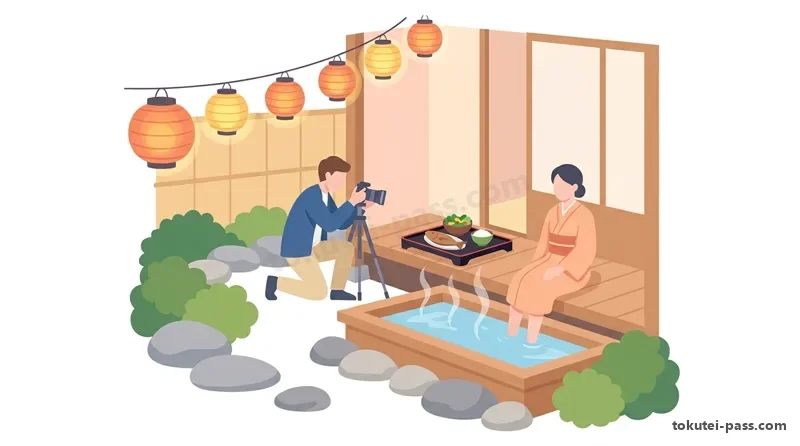
広報業務(Public Relations:PR)とは、自社の活動内容や宿泊施設の魅力・商品に関する情報を社内外へ広く発信する仕事です。
Public Relations (PR / Koho gyomu) is the work of disseminating information about a company's activities and products, such as the lodging facility, to a wide audience.
適切な情報発信により、旅行者・取引先・株主・従業員・地域住民といった「ステークホルダー(利害関係者)」に自社を良く知ってもらい、信頼関係を築いて企業価値を高めることができます。
By sharing accurate information, the company builds good relationships and deeper understanding with 'Stakeholders (travelers, business partners, shareholders, employees, local residents)', enhancing corporate value and public awareness.
集客においても、自社施設の魅力や強みを積極的に発信することで、他の宿泊施設との違いが明確になり、お客様への強いアピールにつながります。
In attracting guests, actively communicating the facility's unique appeal and strengths clearly differentiates it from other lodging facilities and creates a strong appeal to customers.
また、多くの潜在顧客に見てもらえる「SNS」、リピーターへ直接情報を届けられる「自社ホームページ」に加え、チェックアウト後にお客様自身が体験を発信する「口コミ(レビュー)」も集客の大きな力となります。
Alongside utilizing social media (SNS) to reach a wide audience and the official website to communicate directly with repeat guests, customer-generated 'Word-of-mouth reviews (Kuchikomi)' posted after check-out are a powerful force for attracting new guests.
Key points
- 広報業務はステークホルダー(旅行者・取引先・株主・従業員・地域住民)との良好な関係を築き企業価値を高める。
Public relations builds good relationships with stakeholders (travelers, partners, shareholders, staff, local residents) and raises corporate value. - 自社施設の強みを発信して他施設との違いを明確にし、SNSとホームページを使い分ける。
Communicating the facility's strengths highlights what sets it apart from competitors through SNS and the official website. - 宿泊後にお客様がインターネット上に投稿する「口コミ」は新規集客に大きな影響力を持つ。
Customer reviews (Kuchikomi) shared online after check-out have a major impact on attracting new guests.
| Word | Meaning |
|---|---|
| 広報業務(PR) | Public Relations (PR) |
| ステークホルダー(利害関係者) | stakeholders |
| 企業価値の向上 | enhancing corporate value |
| 口コミ(顧客レビュー) | word-of-mouth customer reviews (Kuchikomi) |
自社ホームページの運用方法とSEO・オンライン予約
Managing the Official Website, SEO, and Online Booking Systems
自社ホームページは施設の公式情報を発信する基盤です。お客様が欲しい情報を簡単に見つけられるよう、わかりやすいナビゲーションとデザイン(操作性)を整え、客室や料理・風景の魅力的な写真や動画を掲載します。
The company website is the primary platform for communicating official information about the facility. Create a site with clear navigation and usability so guests can easily find what they need, featuring attractive photos and videos of guest rooms, public spaces, and scenery.
掲載内容として、宿泊料金・客室設備・館内設備・地図・アクセス方法・周辺観光情報などを網羅し、料金改定やキャンペーンなど最新情報へ定期的に更新・メンテナンスを行います。
Provide comprehensive details that customers want to know when booking—such as room rates, room amenities, facility equipment, maps, access routes, and nearby attractions—and perform regular updates and maintenance to keep information current.
サイト上に「オンライン予約システム」を導入すれば、お客様は24時間いつでも簡単に予約でき、施設側もOTAなどへの手数料を減らせます。また、顧客からのフィードバックを集めてサービス改善に活かします。
Introducing an 'Online Reservation System' on the website allows guests to book easily 24/7 according to their schedule while reducing commission fees paid to OTAs. Also collect customer feedback to identify areas for improvement.
さらに、Googleなどの検索エンジンで自社サイトが上位に表示されるよう、適切なキーワードの設定やコンテンツの質を高める「検索エンジン最適化(SEO)」に取り組むことも重要です。
Furthermore, engage in 'Search Engine Optimization (SEO)' by using appropriate keywords and improving content quality so that the website ranks higher on search engines such as Google.
Key points
- 自社ホームページには料金・客室と館内設備・地図・アクセス等を詳しく載せ、常に最新情報に更新する。
The official website should have clear navigation, detailed rates/amenities/maps/access info, and regular updates. - オンライン予約システムを導入することで、顧客の利便性を高めつつ代理店手数料を削減できる。
An online reservation system lets guests book easily without agencies or OTAs, reducing commission fees. - 検索結果の表示順位を上げるため、適切なキーワード設定など「SEO(検索エンジン最適化)」を行う。
Implement SEO (Search Engine Optimization) with proper keywords and quality content to improve search rankings.
| Word | Meaning |
|---|---|
| ナビゲーションとレイアウト | website navigation and layout usability |
| オンライン予約システム | online reservation system |
| 検索エンジン最適化(SEO) | Search Engine Optimization (SEO) |
| フィードバックの収集 | collecting customer feedback |
SNSの運用6原則・口コミ返信と著作権・肖像権への配慮
Six Principles of SNS Management, Replying to Reviews, and Copyright / Portrait Rights
SNSを上手に活用すると、お客様とのつながりを強めて施設のブランドを育てることができます。運用の6つの柱は、①価値ある写真・動画・地元情報を計画する「コンテンツ戦略」、②週数回〜毎日の「定期的な投稿」です。
Effectively utilizing social media (SNS) strengthens communication with guests and builds the facility's brand. Six key practices are: (1) 'Content Strategy Planning' sharing attractive facility photos/videos, local attractions, events, and offers; and (2) 'Regular Posting' several times a week to daily at timing suited to the target audience.
③質問やコメントへすぐ返信しお客様の投稿にも反応する「コミュニケーションの活性化」、④地元の観光協会や企業と互いにタグ付けや共同キャンペーンを行う「地域との連携」も効果的です。
(3) 'Activation of Communication' by promptly replying to guest questions/comments and liking/commenting on customer posts; and (4) 'Collaboration with the Local Community' by tagging local tourism associations and businesses and running joint campaigns.
⑤ハッシュタグ企画などでお客様が投稿した写真やレビューを活かす「お客様生成コンテンツ(UGC)の活用」、⑥分析ツールで投稿効果やフォロワー動向を調べる「分析と改善」を継続します。
(5) 'Leveraging User-Generated Content (UGC)' by encouraging guests to share photos and reviews through hashtags and campaigns; and (6) 'Analysis and Improvement' using SNS analytics tools to review post effectiveness and follower trends.
口コミには感謝と誠意をもって返信します。また情報発信時は、他者の写真・音楽を無断使用しない「著作権」、お客様やスタッフの顔が写る写真を無断掲載しない「肖像権」、誇大広告を禁じる法令を必ず守ります。
Always reply to customer reviews sincerely and politely. When publishing content, strictly comply with 'Copyright (Chosakuken — no unauthorized use of photos/music)', 'Portrait Rights (Shozoken — never post photos showing guests' or staff faces without permission)', and advertising laws.
Key points
- SNS運用は「コンテンツ戦略・定期投稿・双方向の交流・地域連携・お客様投稿の活用・分析改善」の6点が柱である。
The 6 pillars of SNS management are Content Strategy, Regular Posting, Active Communication, Local Collaboration, Leveraging UGC, and Analytics/Improvement. - 地元の観光協会や企業とタグ付けや共同キャンペーンを行い、地域全体の観光を盛り上げる。
Collaborate with local tourism associations and businesses via mutual tagging and joint campaigns to boost regional tourism. - 写真や動画を発信する際は、著作権やお客様の肖像権を侵害しないよう事前許可を徹底する。
Strictly respect copyright and portrait rights by obtaining permission before posting photos showing guests or staff.
| Word | Meaning |
|---|---|
| コンテンツ戦略と定期投稿 | content strategy and regular posting |
| 観光協会・地域連携 | tourism associations and local collaboration |
| お客様生成コンテンツ(UGC) | User-Generated Content (UGC) |
| 著作権・肖像権 | copyright and portrait rights |
試験によく出るポイントと覚え方
Frequently Tested Points and Memory Tips
企画・広報では、ターゲット客層とプランの組み合わせ(日本文化体験=インバウンド、地域食材の健康食=ベジタリアン・ビーガン、スイートルーム=富裕層)がそのまま選択問題に出ます。
In Planning & PR, matching accommodation plans to target segments is frequently tested: 'Japanese cultural experience' -> Inbound foreign tourists; 'Healthy meals using local ingredients' -> Vegetarian/Vegan guests; 'Suite room stay' -> Affluent guests.
カタカナ・英語略語の定義は必出です。「B&B=朝食のみ」「オールインクルーシブ=飲食・アクティビティ全込み」「FIT=パッケージツアーを使わない自由な個人旅行者」「OTA=オンライン旅行代理店」を区別しましょう。
Master the English/Katakana terms: 'B&B = Breakfast only (hotels)', '1 Night 2 Meals = Dinner + Breakfast (ryokan)', 'All-inclusive = All drinks, light meals, and activities included', 'FIT = Free Independent Traveler (no package tour)', and 'OTA = Online Travel Agent'.
計算と指標では、「OCC(稼働率)=予約室数÷総室数×100」「ADR(平均客室単価)=宿泊売上÷稼働室数」「RevPAR=OCC×ADR」の3つの公式を混同しないように覚えます。
For the 3 room revenue formulas, memorize: 'OCC (Occupancy Rate) = Reserved Rooms / Total Rooms x 100', 'ADR (Average Daily Rate) = Total Room Revenue / Occupied Rooms', and 'RevPAR = OCC x ADR'. Never confuse the denominator of OCC (Total Rooms) with that of ADR (Occupied Rooms).
広報では、ダイレクトブッキングの利点が「手数料負担の削減」であること、検索順位向上が「SEO」であること、在庫を繰り越せないホテルや航空業界の価格管理が「レベニューマネジメント」であることを押さえましょう。
In PR, remember that the main merit of Direct Booking is 'reducing commission fees', improving search engine ranking is 'SEO', and strategic price control for perishable hotel/airline inventory is 'Revenue Management'.
Key points
- ターゲット例:日本文化体験=インバウンド客、健康食=ベジタリアン・ビーガン、スイート=富裕層。
Target matching: Japanese cultural experience = Inbound guests; Healthy local food = Vegetarian/Vegan; Suite = Affluent layer. - プラン・顧客用語:1泊2食(夕朝食・旅館)、B&B(朝食のみ・ホテル)、FIT(個人旅行者)、デポジット(預かり金)。
Plan & guest terms: 1 Night 2 Meals (dinner+breakfast, ryokan), B&B (breakfast only, hotel), FIT (independent traveler), Deposit. - 3大指標:OCC=予約室数÷総室数×100、ADR=宿泊売上÷稼働室数、RevPAR=OCC×ADR。
3 KPI formulas: OCC = Reserved Rooms / Total Rooms x 100; ADR = Room Revenue / Occupied Rooms; RevPAR = OCC x ADR. - 価格・販売用語:ダイレクトブッキング(手数料削減)、ダイナミックプライシング(需給変動価格)、レベニューマネジメント。
Sales & pricing terms: Direct Booking (reduces commission), Dynamic Pricing (demand-based pricing), Revenue Management. - Web・SNS広報:SEO=検索エンジン最適化、ステークホルダーへの発信、地域観光協会との連携とUGC活用。
Web & SNS PR: SEO = Search Engine Optimization; communicating to Stakeholders; local tourism collaboration and UGC.
| Word | Meaning |
|---|---|
| OCC・ADR・RevPARの計算式 | formulas for OCC, ADR, and RevPAR |
| FITとインバウンド | FIT and Inbound tourists |
| ダイレクトブッキングとOTA | Direct Booking and OTA |
| SEO(検索エンジン最適化) | SEO (Search Engine Optimization) |
Planning & Promotion
Practice this chapter in the appOfficial references
- 全国旅館ホテル生活衛生同業組合連合会 特定技能1号評価試験(宿泊分野)学習用テキスト 第2章 企画・広報 — https://www.zenryoren.jp/wp/wp-content/uploads/2024/06/240531_TG_manual_Fix2.pdf
- 全国旅館ホテル生活衛生同業組合連合会 用語集(宿泊分野)学習用テキスト 日本語・英語併記版 — https://www.zenryoren.jp/wp/wp-content/uploads/2024/10/特定技能評価試験(宿泊分野)用語集英語併記版.pdf